Agriculture & Gender
Despite performing over 70% of agricultural labor, women are rarely recognized as 'farmers' and thus miss out on extension services, credit, and government schemes.
Lack of land ownership and decision-making power marginalizes women farmers, keeping their productivity and incomes low.
Women laborers and female heads of agrarian households.
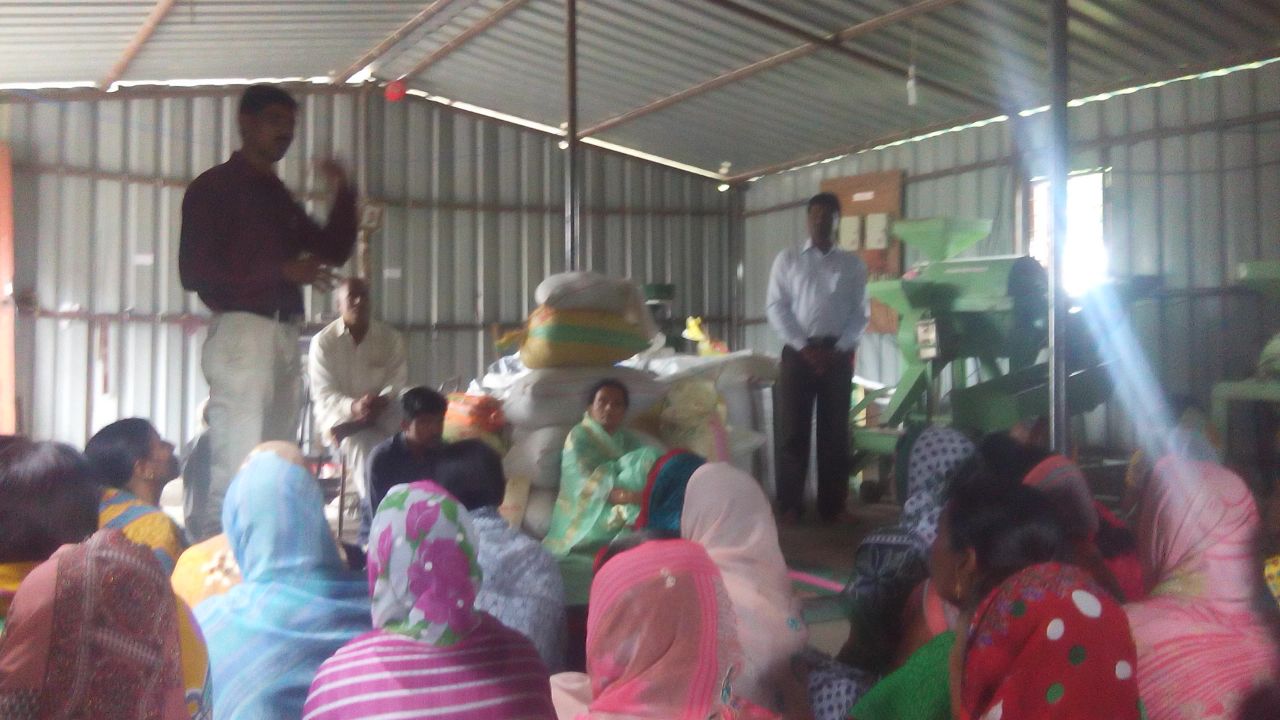
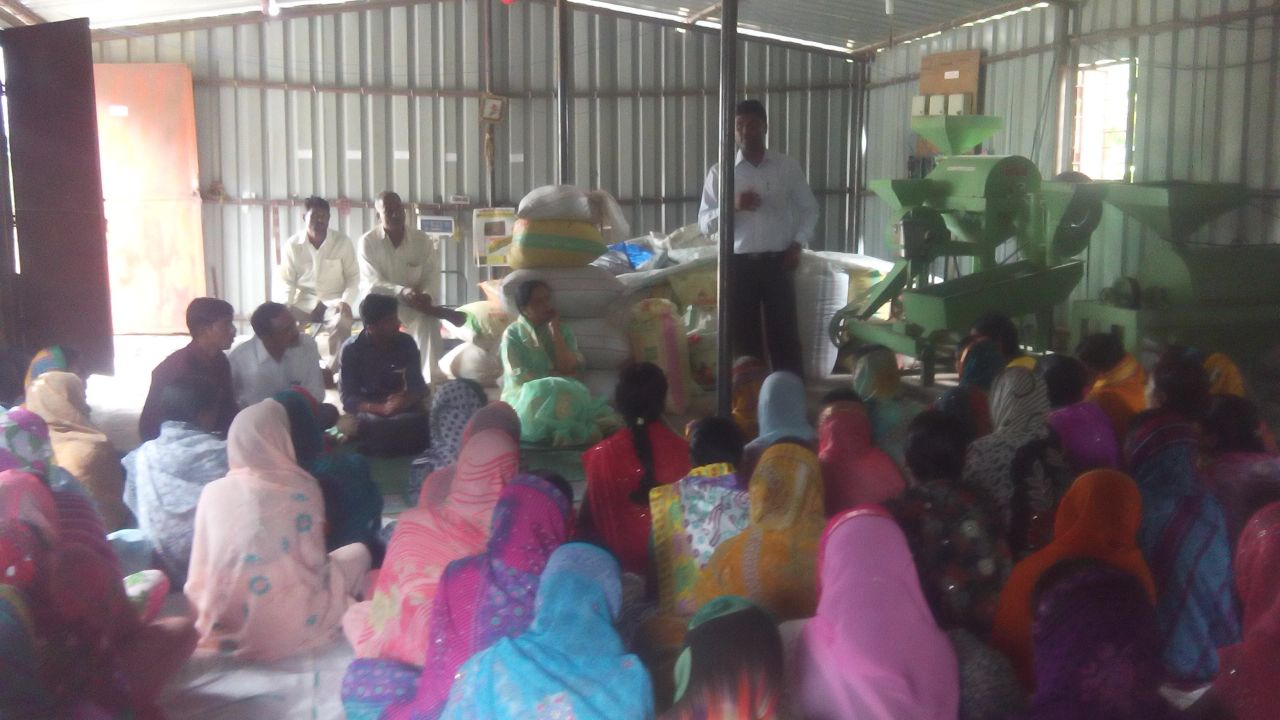
Intervention: Targeted agricultural extension programs exclusively for women, alongside advocacy for land rights.
Approach: Forming Women Farmer Producer Groups to create collective bargaining power.
Outputs: Thousands of women equipped with modern agronomic knowledge and institutional credit.
Outcomes: Shift from chemical-heavy to organic, low-cost farming, improving both yield and family health.
Elevated the status of women from laborers to farm managers, driving rural economic growth.
Learnings: When women control agricultural income, malnutrition drops and household education spending increases.
Sustainability: Women-led agricultural collectives ensure long-term knowledge retention within the village.